
Conditions Treated
Fractures / Trauma
Dr Schultz completed a dedicated orthopedic traumatology fellowship at the University of Texas Health Science Center in Houston, the busiest orthopedic trauma program in the country, which gave me a vast experience in treating complex fractures throughout the body. While there are general guiding principles in fracture care and common fracture patterns, each fracture is different – this is what makes the job fun and challenging!
Similarly, each patient has their own set of injuries, medical problems and social situations that require specific attention and consideration. Dr Schultz enjoys the challenge of addressing complex fractures, and the journey of getting patients back to their pre-injury baseline function as quickly as possible.
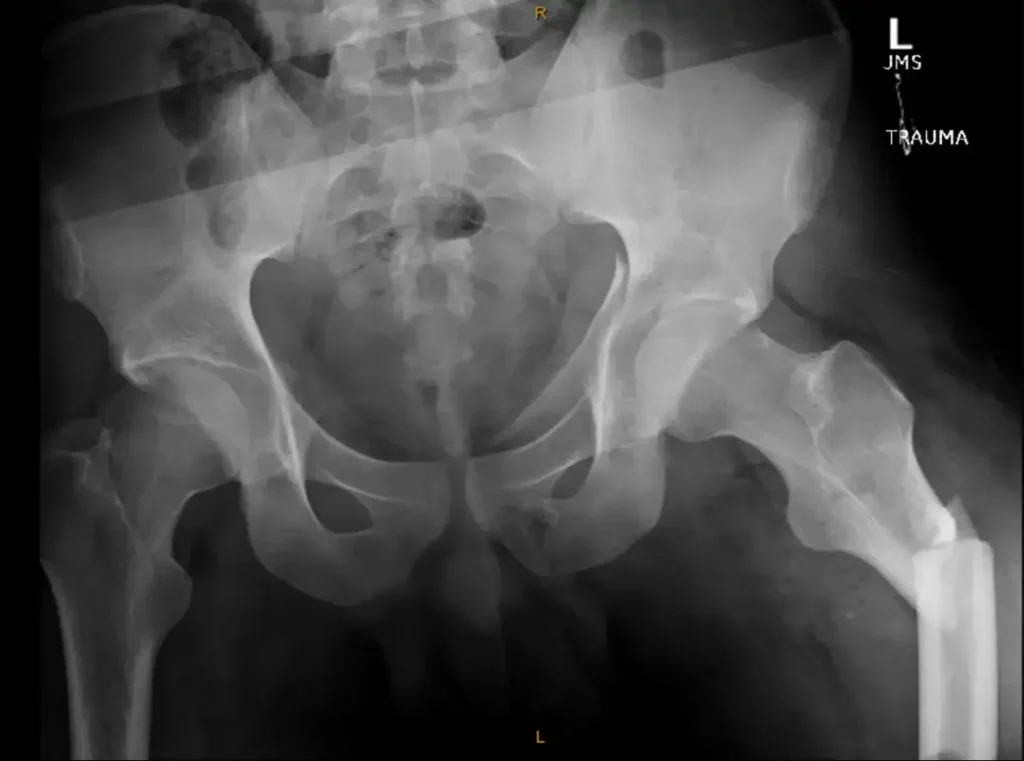
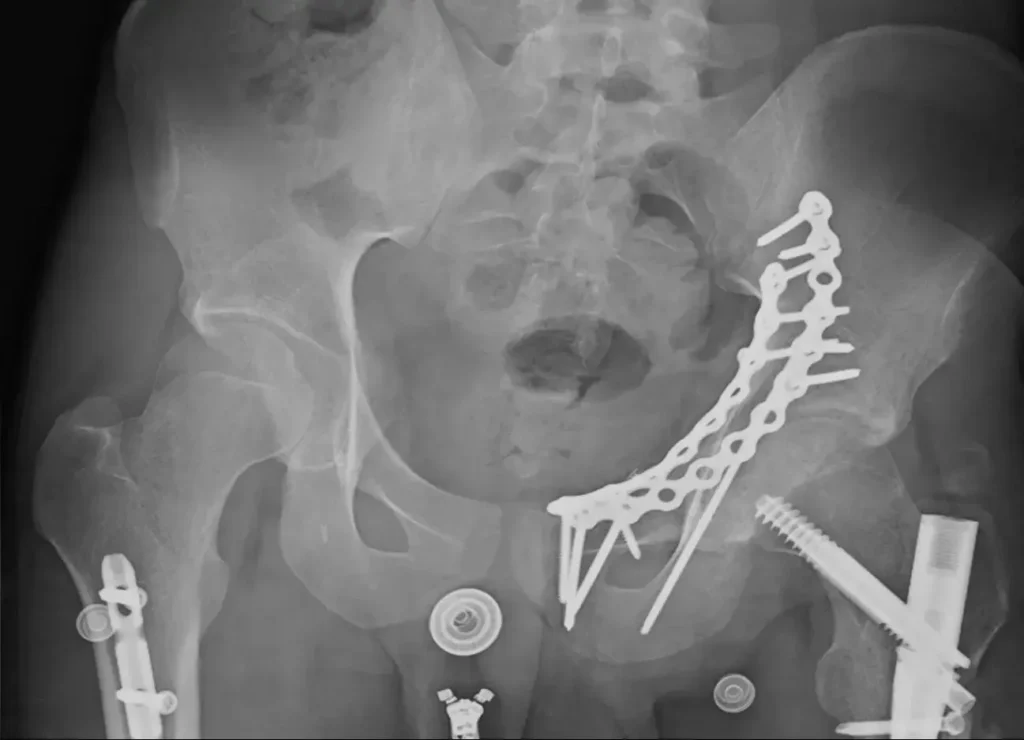
Fixation of polytrauma patient with acetabulum and bilateral femur fractures
Upper Extremity Fractures
Lower Extremity Fractures- Pelvis, Hip and Femur
Lower Extremity Fractures/Trauma- Knee, Tibia and Ankle
Total Hip Replacement
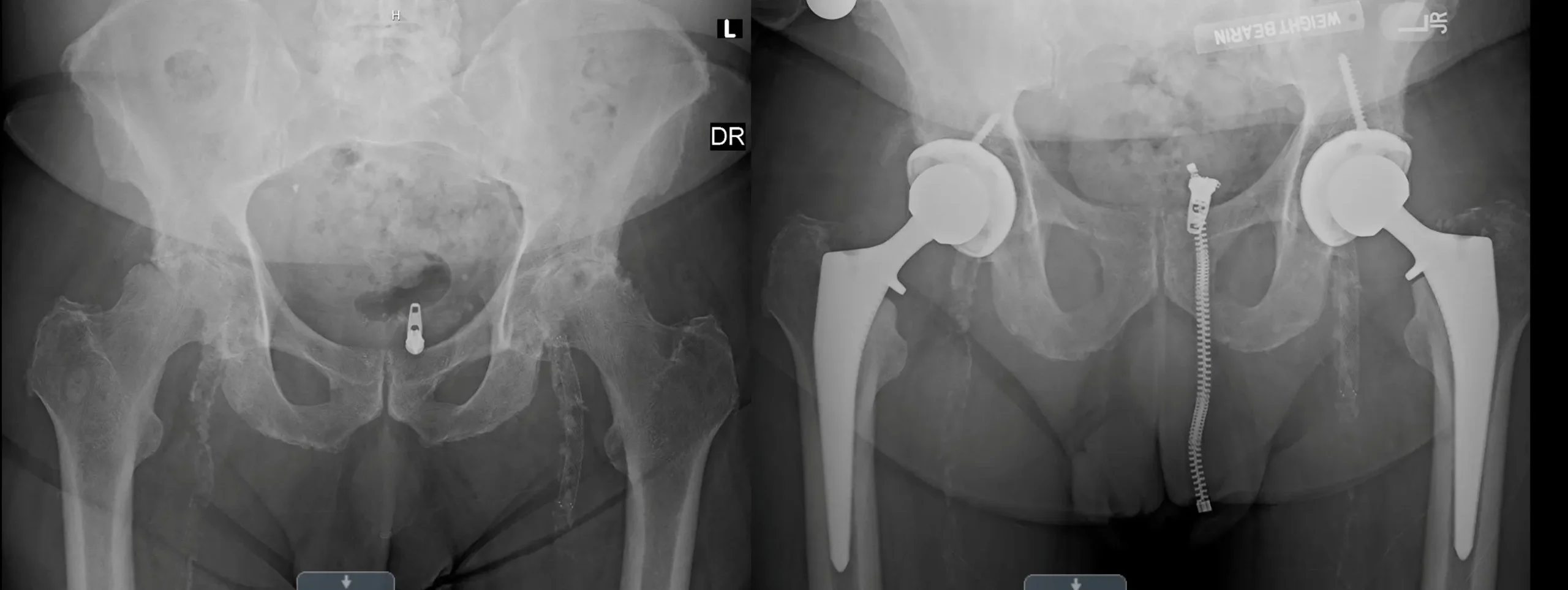
Total hip replacement is a reliable option for patients with severe arthritis who have exhausted all non-operative options including physical therapy, weight less and pain medication. Dr Schultz is experienced with the anterior approach for total hjps, which has been shown to have a quicker recovery and lower complication risks.
In addition to his experience with elective total hip replacement, Dr Schultz completed a dedicated orthopedic traumatology fellowship at the University of Texas Health Science Center in Houston, where he also gained valuable experience doing hip replacements in patients with acute femoral neck and/or acetabulum fractures. This extra training gives him a unique perspective and skill set to treat complex femoral neck and acetabulum fractures, as well as fractures are total hip replacements (periprosthetic fractures)
The Procedure
During surgery, the damaged ball-and-socket joint is removed and replaced with ceramic, metal, and plastic components. The anterior approach uses a small incision at the front of the hip, allowing direct access to the joint while preserving surrounding muscles and tendons.
Advantages
Risks and Considerations
Like all major surgeries, anterior total hip replacement carries certain risks. These can include infection, blood clots, nerve injury, joint dislocations or the implant loosening over time.
Recovery
For elective hip replacements, patients will often go home the same day, or stay one night in the hospital. They will begin walking with assistance within a day of surgery. Physical therapy is an important part of the recovery process and is necessary for regaining strength, balance, and mobility. Many patients return to daily activities within four to six weeks. However, full recovery from hip surgery can take several months.
Notable Links
Total Shoulder Replacement
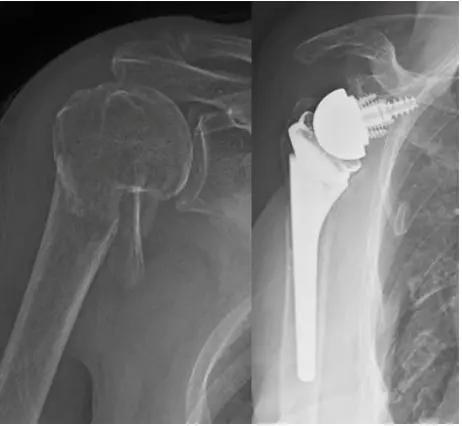
Total shoulder replacement is a reliable option for patients with severe arthritis who have exhausted all non-operative options including physical therapy, injections and pain medication.
In addition to his experience with elective total shoulder replacement, Dr Schultz completed a dedicated orthopedic traumatology fellowship at the University of Texas Health Science Center in Houston, where he also gained valuable experience doing shoulder replacements in patients with proximal humerus fractures. This extra training gives him a unique perspective and skill set to treat complex shoulder and proximal humerus fracture as well as fractures are total shoulder replacements (periprosthetic fractures)
Types of Shoulder Replacement
- Anatomic Total Shoulder Replacement – replaces the ball and the socket in their normal position. This is an option in patients with shoulder arthritis and a functioning rotator cuff tendon.
- Reverse Shoulder Replacement – used when the rotator cuff is badly damaged or in the setting of proximal humerus fractures. During this procedure, the positions of the ball and socket are switched, changing the biomechanics of the shoulder to allow for improved motion and function.
The Procedure
During this surgical procedure, damaged bone and cartilage are removed and then replaced with metal and plastic implants that resemble the shape of the shoulder and allow similar movement. More Info.
Recovery
Patients typically can go home the same day or stay in the hospital for one night. Their arm is placed in a sling, and physical therapy is recommended shortly thereafter to help restore strength and mobility. Initial recovery takes about six to eight weeks. However, full recovery may take several months.
Risks and Benefits
Shoulder replacement can provide significant pain relief and improve arm function. However, like all surgeries, it carries risks such as infection, implant loosening, dislocation, nerve injury, or stiffness.
Notable Links
Total Knee Replacement
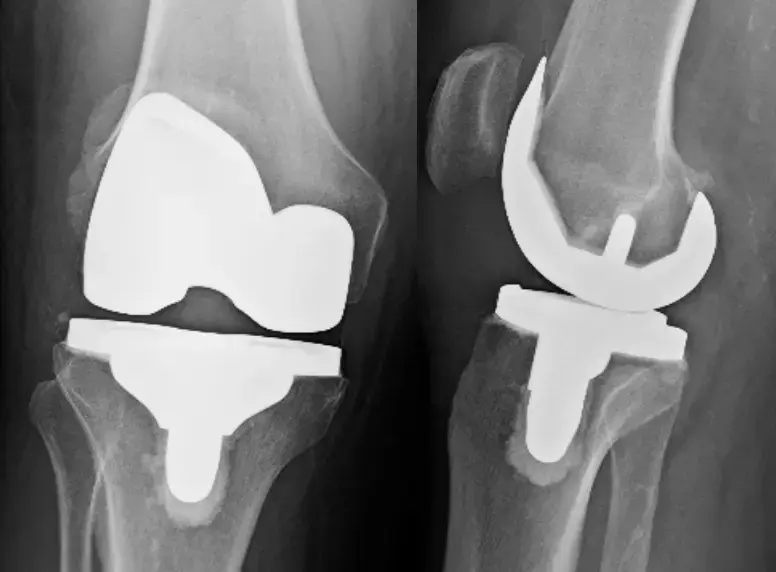
What is Total Knee Arthroplasty (TKA)?
Total Knee Arthroplasty (TKA), commonly known as total knee replacement (TKR), is a surgical procedure in which a damaged knee joint is replaced with a prosthetic implant. This procedure is most commonly performed in individuals who suffer from chronic knee pain and dysfunction due to conditions like osteoarthritis, rheumatoid arthritis, or traumatic injury. The aim of TKA is to relieve pain, improve function, and enhance the quality of life for patients with debilitating joint issues.
Dr Schultz utilizes the Mako Robot when performing Total Knee Arthroplasty. This cutting-edge technology helps minimize the amount of the patient’s own bone that needs to be removed, facilittating a faster recovery and a longer lasting implant.
The Procedure
TKA is usually performed under general anesthesia or spinal anesthesia, depending on the patient’s condition and preference. The procedure typically involves the following steps:
During a total knee replacement the damaged bone and cartilage are removed and replaced with metal and plastic implants. The procedure typically takes 1-2 hours and can be performed as an inpatient surgery or outpatient.
Recovery After Surgery
For elective total knee replacements, patients will often go home the same day, or stay one night in the hospital. They will begin walking with assistance within a day of surgery. Physical therapy is an important part of the recovery process and is necessary for regaining strength, balance, and mobility. Many patients return to daily activities within four to six weeks. However, full recovery from knee surgery can take several months.
Physical therapy is a critical component of recovery, as it helps prevent stiffness and restores knee function. The use of assistive devices like walkers or crutches is typically required for several weeks post-surgery.
Risks and Benefits
Knee replacement can provide significant pain relief and improve arm function. However, like all surgeries, it carries risks such as infection, implant loosening, dislocation, nerve injury, or stiffness.
Below is a partial list of conditions treated by Dr. Blake Schultz. Each link directs you to more information from the Orthopaedic Trauma Association, OrthoInfo, and the Mayo Clinic.